
What Should You Write in an Eid Card?

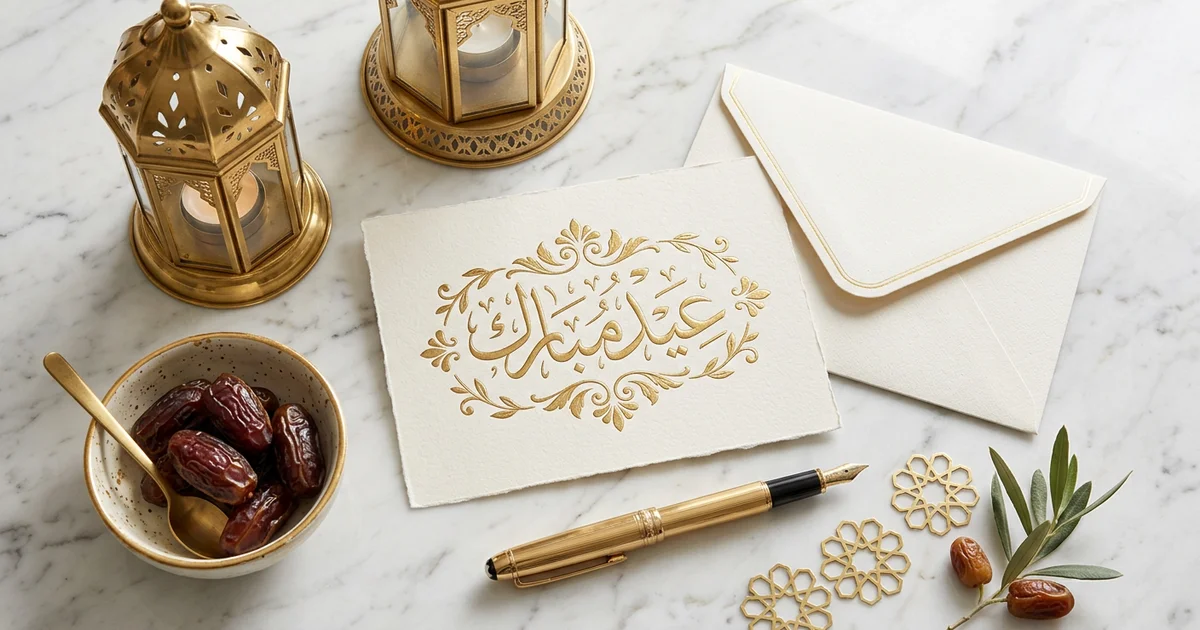
Exchanging Eid cards during the holy celebrations of Eid al-Fitr and Eid al-Adha is a beautiful, centuries-old tradition that bridges hearts, honors spiritual devotion, and spreads joy across communities worldwide. A beautifully timed and handwritten Eid card serves as a tangible beacon of love, celebrating the completion of sacred milestones with dignity.
While instant digital WhatsApp messages provide convenient pings, a physical, handwritten greeting card conveys deep respect and focus. It transforms standard seasonal wishes into a cherished, permanent keepsake that family, friends, and business partners will store with pride. Expressing sincere blessings requires following proper etiquette guidelines to honor the spiritual weight of the festival.
This master guide provides an exhaustive, step-by-step blueprint on how to structure an Eid greeting card, festive mailing timelines, proper cultural etiquette rules, and highly polished wording formulas for every recipient in your circle.
Why Is Eid Card Etiquette Important?
Eid card etiquette is important because a properly structured, hand-signed greeting honors sacred religious milestones, strengthens community and family bonds, and conveys genuine spiritual respect when delivering festive blessings during Eid al-Fitr and Eid al-Adha celebrations.
In many cultures, the act of sending physical greetings stands as a pillar of hospitality and relationship maintenance. A card arriving exactly during the days of Tashreeq or immediately following the sighting of the crescent moon signals that you have dedicated focused, mindful time to celebrating the recipient’s spiritual achievements. This builds deep, lasting mutual respect and shields relationships from distance.
Furthermore, following established etiquette protocols protects you from cultural misunderstandings or accidental insincerity. For instance, using generic, copy-paste templates for close elders looks dismissive, while using overly casual phrasing for corporate clients dilutes your professional standing. Aligning your tone, stationery, and delivery timeframe ensures that your blessings are received with warmth and gratitude.
What Is the Classic Eid Card Layout Formula?
The classic Eid card layout formula is a structured writing method consisting of an exalted spiritual opening, a warm personal blessing, a prayer for future peace, and a respectful closing signature block.
To write an impactful Eid greeting, follow this proven, 4-step structural layout:
Step 1: Open with an Exalted Spiritual Salutation
Begin with a traditional, respectful greeting that matches the solemnity and joy of the specific holiday. This instantly sets a celebratory and faithful tone.
“Dear Mother, wishing you a blessed Eid Mubarak filled with light and happiness…”
Step 2: Add a Warm Personal Blessing
Include a sentence that recognizes the recipient’s efforts, such as their fasts during Ramadan or their acts of charity. This personalizes the card and honors their devotion.
“May the warmth and dedication of your daily prayers throughout the holy month bring endless blessings to your home.”
Step 3: Pray for Future Peace and Prosperity
Conclude your main message with a beautiful, forward-looking prayer that wishes them good health, robust spirit, and deep peace in the coming months.
“May Allah accept your good deeds, answer your heartfelt prayers, and guide you with grace until the next sacred season.”
Step 4: Sign with a Respectful Closing Block
Close your letter with a polite, traditional sign-off and your clear signature. For corporate cards, use formal, professional closings to maintain proper boundaries.
“With peace and respect, Nicholas and Emily.”
By following this balanced formula, you elevate your greeting card from a basic seasonal ping into a highly meaningful, spiritually resonant message that honors the recipient’s faith and life path. Each step builds an authentic bridge of connection.
What Are the Mailing Deadlines for Eid Cards?
The mailing deadlines for Eid cards require that you mail Eid al-Fitr greetings by the third week of Ramadan, and Eid al-Adha greetings exactly 10 days before the Day of Arafah to secure timely delivery.
A. Eid al-Fitr vs. Eid al-Adha Mailing Comparison Table
| Holiday | Domestic Mailing Window | International Deadline |
|---|---|---|
| Eid al-Fitr | Weeks 2-3 of Ramadan (10-15 days before Eid) | 1st week of Ramadan |
| Eid al-Adha | 10 days before the Day of Arafah | 25 days before the Eid date |
B. The Golden Mailing Rules (When to Send)
To guarantee that your seasonal greetings arrive with appropriate respect, follow these structural timing boundaries:
- Send Ramadan Greetings Early: Mail cards welcoming the holy month 5 to 7 days before the crescent moon is sighted so they land as preparations begin.
- Secure Mid-Ramadan Dispatch for Eid al-Fitr: Dispatch domestic mail between Day 15 and Day 20 of Ramadan to stay ahead of the festive postage bottleneck.
- Coordinate Dhul-Hijjah Milestones for Eid al-Adha: Deliver cards celebrating the pilgrimage exactly during the first five days of Dhul-Hijjah.
- Dispatching Greetings Late: Avoid mailing Eid cards after the festival starts. A late arrival signals lack of organization and diminishes the impact of your wishes. Mail early.
- Using the Exact Same Message for All Recipients: Avoid writing the exact same text for elders and colleagues. Maintain respect by dividing your mailing list by category.
- Skipping Personal Touches: Do not just sign your name beneath a generic printed message. Write at least one custom prayer or refer to a shared memory.
- To celebrate your close circle, browse our curated collection of warm Eid Mubarak messages for family.
- To spread happiness to your companions, select the perfect wording from our directory of joyful Eid Mubarak messages for friends.
- To honor your professional relationships, explore our guide of respectful corporate Eid wishes.
- To delight your life partner, find custom wording inside our directory of heartfelt Eid ul Fitr wishes for your wife.
- To bless your parents, explore our curated directory of heartwarming Eid Mubarak wishes for your mother.
How Do You Write Sincere Eid Wording for Every Recipient?
To write sincere Eid wording for every recipient, you must align your greeting tone with the relationship, utilizing warm family prayers, respectful corporate wishes, and joyful friendship notes for each audience.
To draft your celebratory cards effortlessly, utilize these highly polished recipient wording formulas and real-world card examples:
A. The Devoted Wording Formula (For Family & Elders)
Focus on deep respect, prayers for good health, gratitude for their presence, and traditional familial warm wishes:
Wording Formula:
“Dearest [Family Title / Name], Eid Mubarak! Your guidance and warmth are the ultimate blessings in our lives. We pray that Allah accepts your [fasts/good deeds] during this holy season and keeps you in perfect health. May our family always share this joy by your side. With all our love and respect, [Your Name].”
Real-World Example:
“Dearest Mother, Eid Mubarak! Your guidance and warmth are the ultimate blessings in our lives. We pray that Allah accepts your fasts and good deeds during this holy season and keeps you in perfect health. May our family always share this joy by your side. With all our love and respect, Nicholas.”
B. The Joyful Wording Formula (For Friends)
Deliver cheerful, warm, and highly conversational wishes that celebrate shared happiness and the beauty of companionship:
Wording Formula:
“Eid Mubarak, [Friend’s Name]! Wishing you and your loved ones a beautiful celebration filled with laughter, delicious feasts, and peaceful moments. Thank you for always being such a wonderful friend. May this year bring you closer to all your dreams. Warmly, [Your Name].”
Real-World Example:
“Eid Mubarak, Jack! Wishing you and your loved ones a beautiful celebration filled with laughter, delicious feasts, and peaceful moments. Thank you for always being such a wonderful friend. May this year bring you closer to all your dreams. Warmly, Nicholas.”
C. The Elegant Wording Formula (For Corporate Clients & Partners)
Maintain formal boundaries, polish the language, and focus on mutual appreciation, prosperity, and reliable collaboration:
Wording Formula:
“Dear [Name], warm holiday greetings from [Company]. We wish you and your associates a peaceful and prosperous Eid Mubarak. Thank you for your [trusted partnership / support] throughout this year. We look forward to our continued collaboration in the coming months. Sincerely, [Your Name], [Your Role].”
Real-World Example:
“Dear Mr. Henderson, warm holiday greetings from Brightwell Studio. We wish you and your associates a peaceful and prosperous Eid Mubarak. Thank you for your trusted partnership throughout this year. We look forward to our continued collaboration in the coming months. Sincerely, Emily Carter, Account Director.”
What Common Eid Card Pitfalls Should You Avoid?
The common Eid card pitfalls you must avoid are late mailings after the holiday has ended, using identical copy-paste templates for everyone, and using insensitive or generic wording that dilutes the personal nature of the greeting.
To protect your reputation as a thoughtful sender, steer completely clear of these three common errors:
What Are the Recommended Eid Greeting Resources?
The recommended Eid greeting resources on JollyWisher include curated collections of warm family messages, joyful notes for friends, respectful corporate greetings, and sweet Eid ul-Fitr wishes for your wife to write from the heart.
Before finalized, explore our complete, curated collections of copy-ready templates and seasonal card wordings:
This guide was curated, handwritten, and peer-reviewed by Editor-in-Chief Aariya Rafi. At JollyWisher, we believe in the power of handcrafted human connection and enforce a zero-automation curation policy on all greeting and etiquette publications.
💡 Frequently Asked Questions
❓ When should you mail Eid cards?
Mail Eid al-Fitr cards during the second or third week of Ramadan, between Day 10 and Day 20 of the holy month. This timing guarantees that domestic mail arrives before Eid Day, avoiding holiday postage delays.
❓ How do you write an Eid card for clients?
Write corporate Eid cards by maintaining polite, formal boundaries, using professional closings, and explicitly expressing gratitude for their trusted partnership, while looking forward to continued future collaboration.
❓ Is it acceptable to send Ramadan cards instead of Eid cards?
Yes. Sending a warm greeting card to welcome the holy month of Ramadan is a highly respectful and popular gesture. Ensure you mail it 5 to 7 days before the moon sighting so it lands on time.